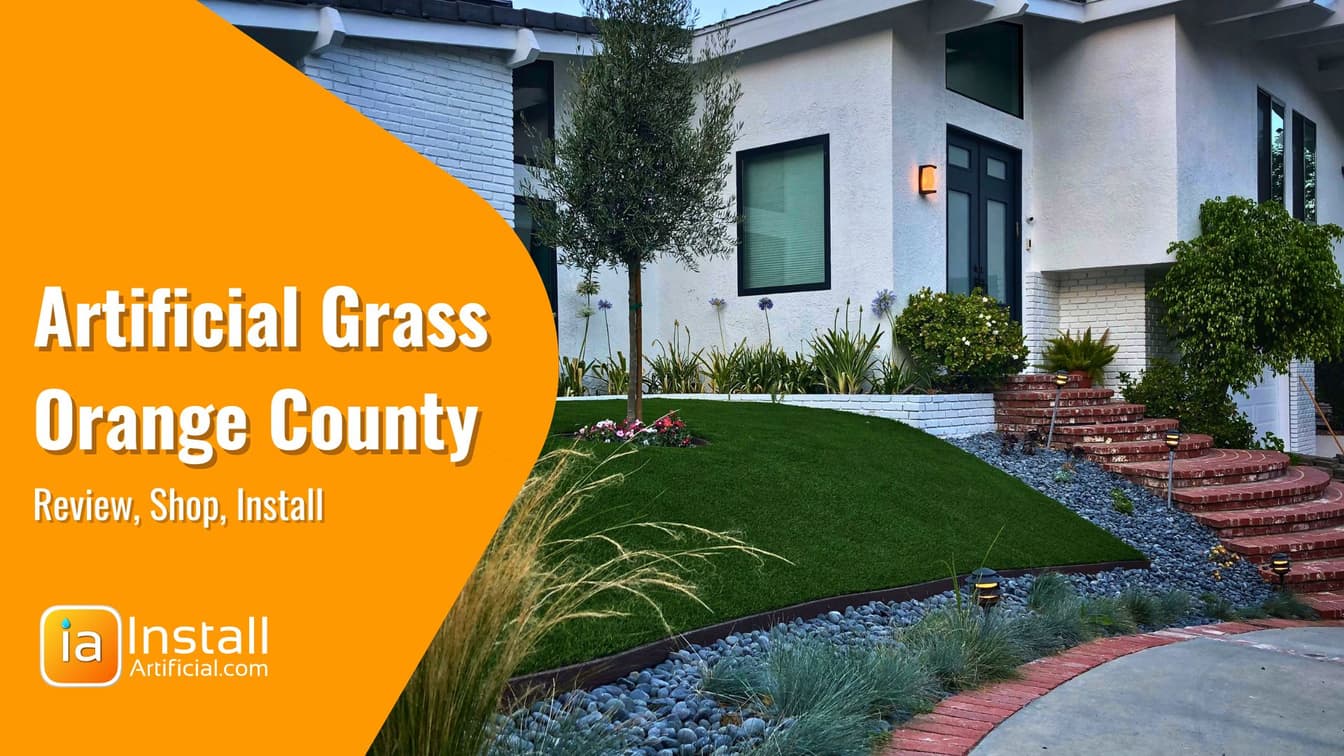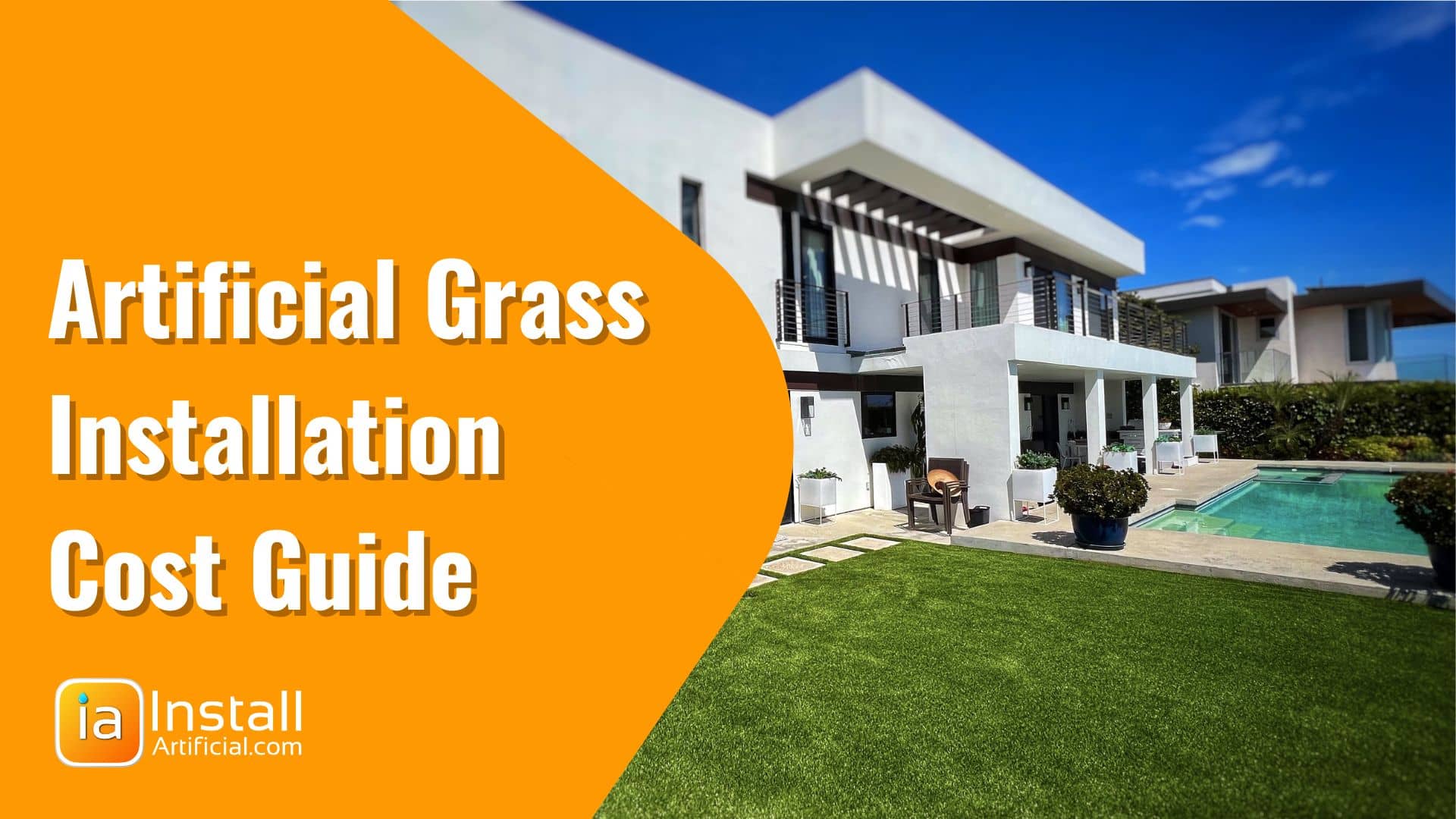
If you are thinking about installing artificial grass in San Diego this summer, do not wait.


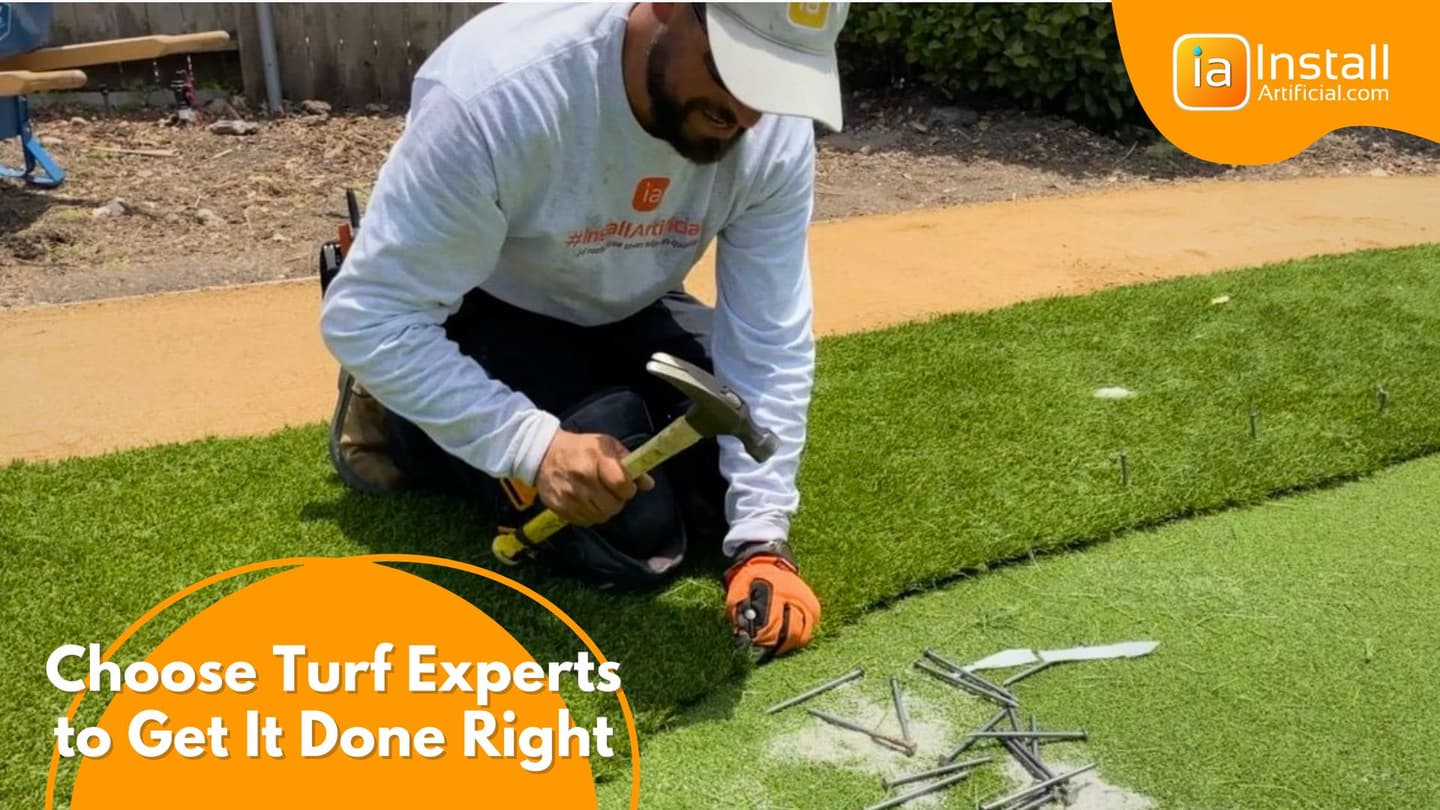
If you are thinking about installing artificial grass in Los Angeles this summer, do not wait too long.
This is not the kind of year where homeowners can comfortably assume they will “shop later” and still get the same pricing, the same installer availability, or the same turf options. In 2026, the market is being squeezed from several directions at once: Los Angeles water costs are already higher, turf replacement rebates are active now, labor remains tight across construction, and petrochemical disruptions are putting pressure on turf-related materials. On top of that, Los Angeles is heading into a packed summer with FIFA World Cup activity adding even more logistics pressure. That combination makes the delay expensive.
For many residential projects in Los Angeles, a practical installed range is often around $9 to $25 per square foot, depending on the yard, the turf product, access, demolition, base work, drainage, and finish details. That range aligns with current California turf pricing pages and broader 2026 installation cost references. A smaller, simpler yard may land near the lower end. A premium project with difficult access, custom edges, or extra prep can move much higher.
A rough budgeting guide for Los Angeles homeowners often looks like this:
These are planning ranges, not universal quotes. In Los Angeles, side-yard access, slopes, stairs, haul-away distance, irrigation removal, root issues, pet systems, cooling infill, premium turf, and drainage upgrades can all affect the final number.

A lot of articles talk about turf cost as if it is only about the price per square foot. That is too simplistic for Los Angeles.
The real cost to install artificial grass depends on what has to happen before the turf is laid down. On many projects, a contractor is not just installing turf. They are removing old grass, cutting out irrigation, hauling away debris, reshaping the ground, compacting base, improving drainage, and fitting the material around curves, planters, pavers, and hardscape. That is why two backyards with the same size can still price very differently.
That matters for SEO and for buyers. A California-wide article may give someone a ballpark number, but Los Angeles homeowners usually need more than that. They need to know what actually drives the project total in this city, where access, traffic, labor, and logistics often make the difference between an average install and an expensive one.
Bigger projects often benefit from better economies of scale, because fixed labor and mobilization costs are spread across more square footage. Smaller yards can sometimes have a higher effective price per square foot, especially if they are awkward to access or highly detailed.
In Los Angeles, access is a real cost driver. Narrow side yards, hillside homes, older neighborhoods, parking challenges, and long material carry distances all add labor. If crews have to remove debris by hand or move base material through a difficult path, the project gets more expensive.
Entry-level, mid-tier, and premium turf products do not cost the same. Current California turf pricing references show a wide spread in material cost depending on realism, durability, drainage, cooling technology, and specialty features. Premium turf can look better and last longer, but it adds to the upfront number.
This is one of the most overlooked items in the entire project. Good turf installation depends heavily on the base underneath it. If the site has poor drainage, soft spots, uneven grading, or irrigation damage, the prep work can add meaningfully to cost. National 2026 cost guidance also points to excavation, yard prep, disposal, drainage, and weed barriers as real project contributors.
Pet turf systems, odor-control infill, putting greens, upgraded drainage, decorative borders, paver integration, and specialty finishes all increase the final price. These upgrades can absolutely be worth it, but they should be quoted clearly so the homeowner knows what is driving the total.
This is the part many generic cost articles miss.
In 2026, Los Angeles buyers are not shopping in a flat-cost environment. Several pressures are building at the same time, and they all point in the same direction: upward.
LADWP’s current water cost document says the standard single-family residential water bill at 10 HCF rose to $129.32 effective January 1, 2026. That alone adds more pressure to households that are still paying to keep natural grass alive. At the same time, LADWP continues to offer turf replacement incentives to help customers move away from traditional lawns and into lower-water landscapes.
Labor is another major factor. Construction labor remains tight in 2026, and that usually means less scheduling flexibility and more wage pressure. Broad national installation data already show labor and prep work as key cost drivers in turf projects, and Los Angeles is rarely a cheap labor market to begin with.
Then there is the materials side. Reuters reports that the Iran war has disrupted petrochemical supply through the Strait of Hormuz and pushed polyethylene and polypropylene prices higher. Those materials matter because synthetic turf products and several related components are tied to plastic-based inputs. When resin markets move up, pressure tends to show up somewhere in the supply chain.
The result is straightforward: if you wait until the market gets busier, you may not just face a scheduling problem. You may face a pricing problem too.
For Los Angeles homeowners, turf is not only about appearance. It is also about escaping ongoing outdoor water expense.
LADWP’s water rates are already higher in 2026, and the utility is still actively promoting turf replacement as a water-saving move. That means a homeowner who delays is not only risking a higher installation price later. They are also choosing to carry another stretch of irrigation cost into the hottest part of the year.
That is one reason the best turf decisions often happen before summer hits full speed. Homeowners who move early can stop paying to maintain natural grass sooner, while also improving their chances of better contractor availability.
LADWP’s turf replacement rebate is one of the most important pieces of the Los Angeles cost equation right now.
The program offers $5 per square foot for residential customers, $9 per square foot for commercial customers, and $10 per square foot for public agencies. LADWP’s rebate information also notes pre-approval requirements and explains that the program is designed to help transform existing lawn into a more water-efficient landscape.
For a Los Angeles homeowner, that means the economics can be substantial. A qualifying 1,000-square-foot project can represent up to $5,000 in rebate value. A 2,000-square-foot project can represent up to $10,000, subject to program rules and approval. That kind of incentive can change the timing decision. Waiting until peak season does not just risk higher contractor pricing. It can also mean you delayed during a window when real rebate value was available.
This summer is not likely to get calmer.
Los Angeles will host eight FIFA World Cup 2026 matches, and Metro has already announced enhanced service planning because of expected demand and limited parking around the stadium. That does not mean your turf installer will suddenly stop working because of soccer. It does mean the city is heading into a more crowded, more logistically strained summer than usual.
That matters because the best turf options usually do not disappear because homeowners stopped caring. They disappear because demand bunches together. As temperatures rise, more people decide they are tired of watering, tired of brown spots, tired of mud, and tired of paying for lawn maintenance. Crews get booked. Product choices narrow. Schedules tighten. And people who waited find themselves choosing from what is left instead of what they actually wanted.
For many homeowners, yes.
Not because artificial grass is always the cheapest possible upfront landscape choice, but because Los Angeles is a market where natural grass has real carrying costs. Water is expensive. Maintenance is not free. And a yard that looks bad in summer still costs money even when it is underperforming.
That is why the comparison should not be “turf versus free grass.” It should be turf versus the real ongoing cost of keeping a natural lawn in Los Angeles. LADWP’s own rebate and conservation programs reinforce that exact logic by rewarding customers who remove traditional lawns and reduce irrigation demand.
If you want the best chance at a strong value in 2026, the smartest move is usually to act before peak summer demand fully arrives.
That means getting quotes early, confirming what is included in demolition and base prep, checking whether drainage work is part of the proposal, comparing turf quality instead of just price, and looking at rebate eligibility before work begins. LADWP’s program specifically notes that pre-approval is required, so timing matters.
In most years, waiting reduces flexibility. In 2026, it may reduce flexibility and raise cost at the same time.
A realistic planning range for many Los Angeles projects is $9 to $20 per square foot installed, with the final price shaped by site access, prep work, drainage, turf selection, and detail level.
But the more important question this year may be: what will it cost if you wait?
Waiting could mean:
If you are already considering artificial grass installation in Los Angeles this summer, the smart move is to start now — before the rush gets worse, before good crews are gone, and before the market becomes even more expensive.


If you are thinking about installing artificial grass in San Diego this summer, do not wait.