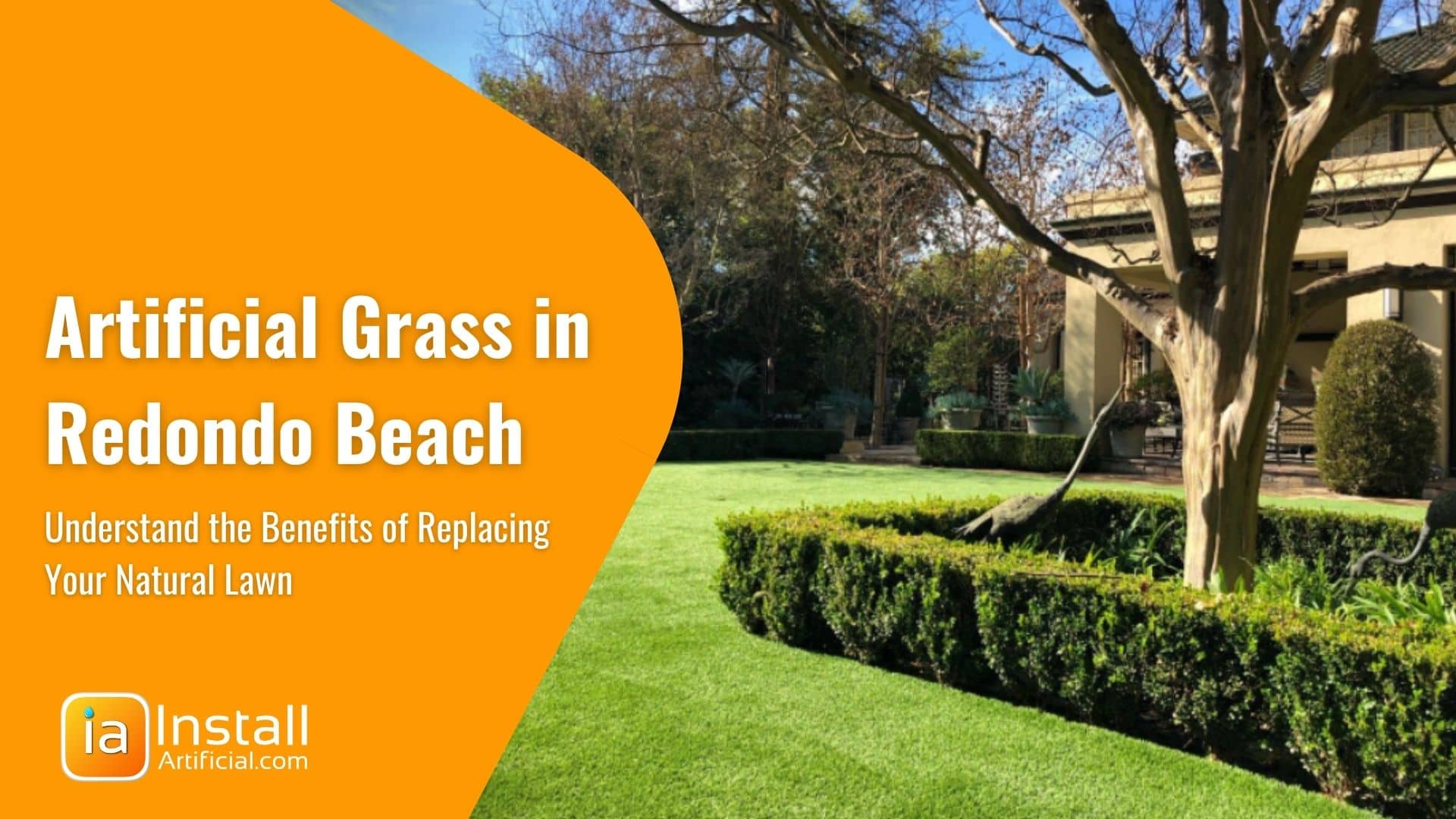
Homeowners in Redondo Beach are increasingly opting for artificial turf installation as an alternative to natural grass. Artificial turf has many benefits, from being...


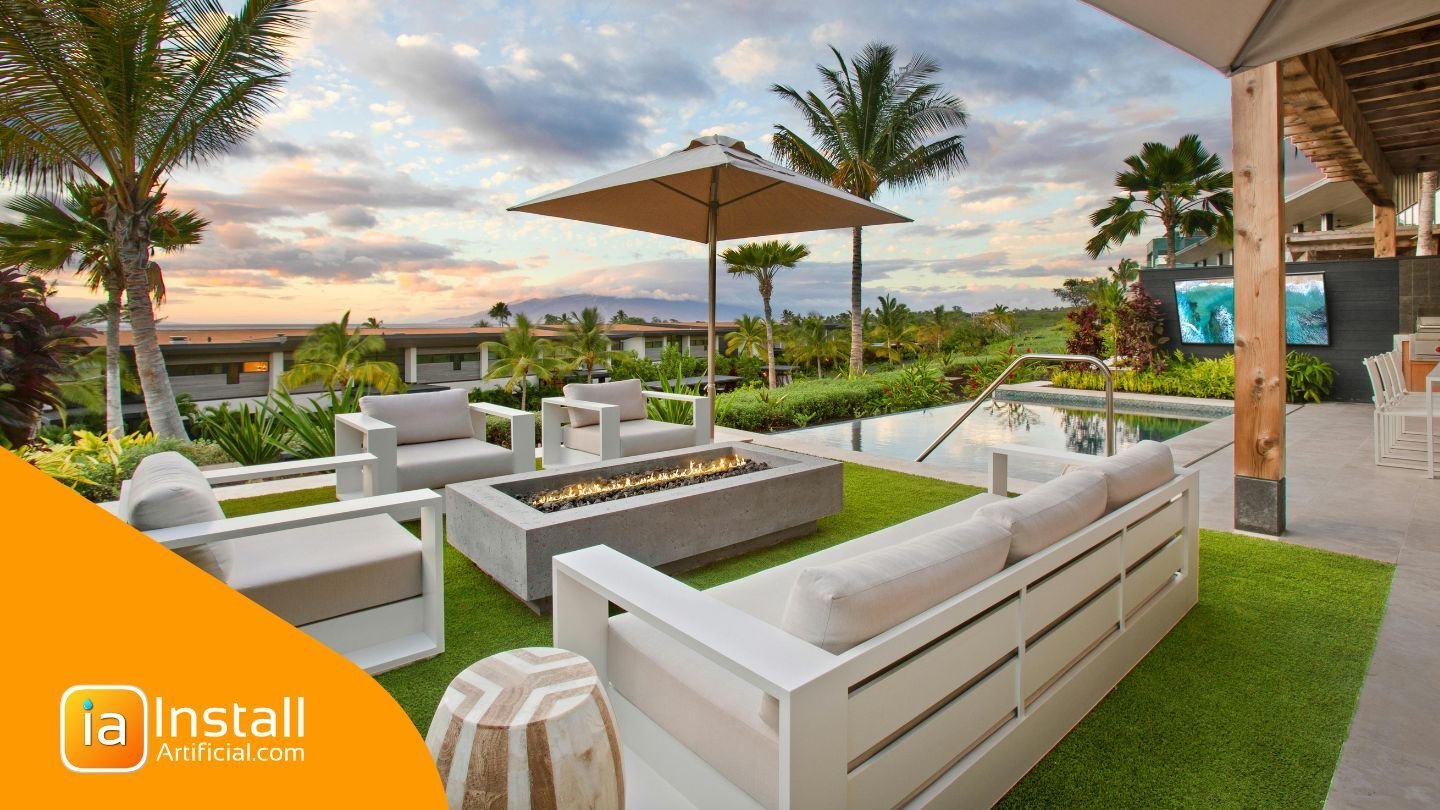
Commercial recreational areas are no longer limited to concrete patios, natural grass lawns, or plain utility spaces. More buyers are converting underused outdoor areas into clean, low-maintenance recreational zones with artificial turf, seating areas, putting greens, game zones, pet-friendly surfaces, barbecue areas, and gathering spaces.
A well-designed recreational turf area can improve appearance, reduce maintenance, support outdoor programming, and create a more inviting space for employees, residents, guests, students, tenants, or visitors. But the success of the project depends on how the RFQ is written, how materials are compared, and how contractors are evaluated.
This guide explains the major cost drivers, material options, system components, typical budgets, and the best way to request and compare quotes for a commercial recreational turf installation.
A commercial recreational turf area is an outdoor or semi-outdoor space built with synthetic grass and supporting materials for regular use by people, guests, residents, employees, students, or visitors.
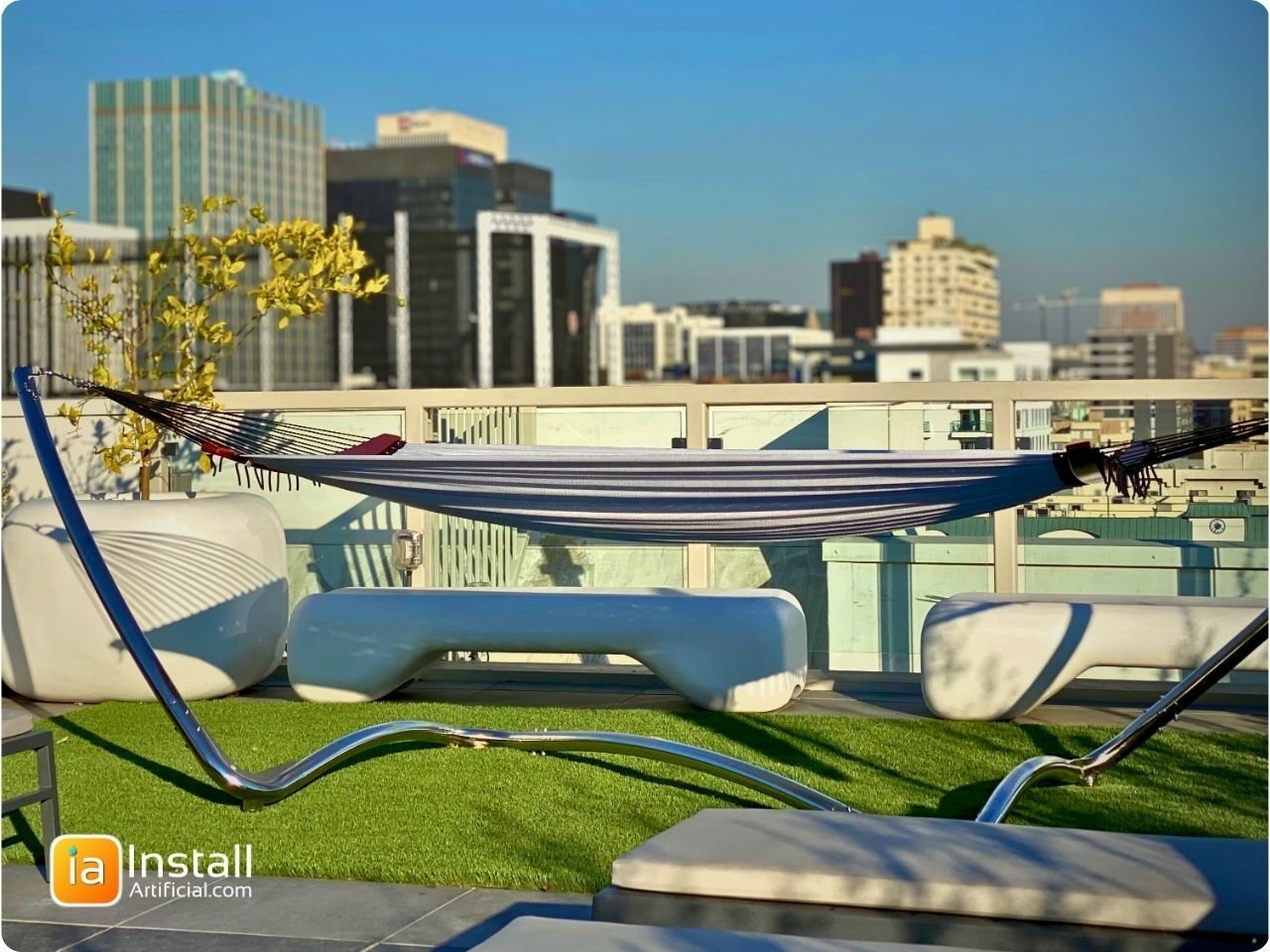
Common applications include:
Unlike a simple residential lawn replacement, a commercial recreational turf system must be designed for heavier foot traffic, predictable drainage, long-term durability, safety, and easier maintenance.
For a commercial recreational turf area, pricing usually depends on turf selection, base preparation, edging, site access, drainage, optional pest protection, specialty infill, and whether amenities such as a putting green are included.
As a planning range, a 4,000 to 5,000 sq.ft. commercial recreational turf project can often fall into the following budget categories:
Estimated range: $13 to $15 per sq.ft.
This option usually includes a durable commercial-grade turf with standard backing, basic base preparation, compacted aggregate, infill, and installation. It is often suitable for general-use recreational areas where durability matters more than a premium feel.
Best for:
Estimated range: $16 to $18 per sq.ft.
This tier typically includes a more natural-looking turf, better backing, improved drainage capability, antimicrobial features, and a more comfortable surface feel. It is a strong option for dining areas, outdoor lounges, shaded spaces, and commercial areas where appearance matters.
Best for:
Estimated range: $19 to $22+ per sq.ft.
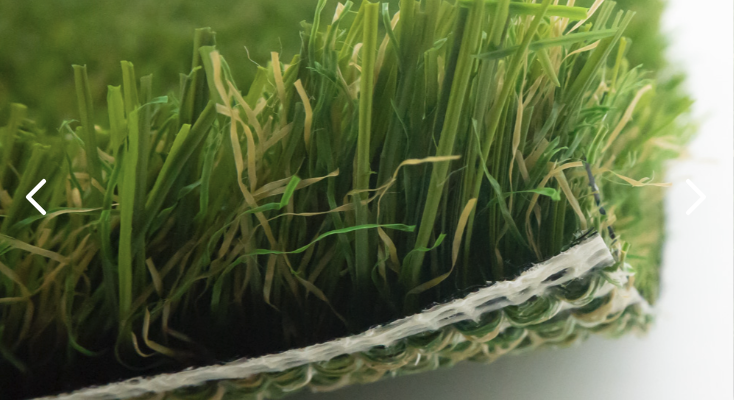
Premium nylon turf or heat-resistant turf is often selected for demanding conditions, including areas near barbecue pits, reflective windows, heavy use, or where fire safety and temperature resistance are higher priorities.
Best for:
Two contractors may both quote “artificial turf,” but they may not be quoting the same system. The visible grass is only one part of the project. The long-term performance depends on what happens underneath the turf.
The main cost factors include:
The turf product affects durability, appearance, drainage, heat resistance, fire rating, and warranty. Commercial buyers should compare more than blade color. Ask for pile height, face weight or total weight, fiber type, backing type, drainage rate, UV warranty, and fire testing where applicable.
A proper base may include excavation, subgrade compaction, aggregate base, leveling course, geotextile fabric, and final grading. Weak base preparation can lead to wrinkles, dips, drainage problems, seam movement, and premature failure.
Commercial projects should not assume that water will drain correctly just because turf is permeable. The base must be graded to move water away from buildings and toward existing drainage paths. If poor drainage is discovered, the contractor should identify solutions before proceeding.
Edges may be secured with treated wood, steel bender board, recycled plastic board, concrete borders, or other restraints. Edging affects safety, appearance, long-term turf tension, and maintenance.
Infill helps support turf fibers, adds weight, improves feel, and can reduce static. Common systems use silica sand, coated sand, antimicrobial infill, cooling infill, or specialty infill depending on the application.
In areas with gophers or burrowing pests, mesh or hardware cloth may be installed below the base. This can significantly increase cost but may prevent expensive future damage.
Putting greens, bocce courts, game zones, seating pads, root-protection zones, tree wells, pebble backfill, and irrigation modifications can add cost but also increase the usefulness of the space.
A strong commercial recreational turf specification should include the following components.
For general commercial recreation, a 1.75-inch to 2-inch pile height turf is common. The turf should be designed for commercial or heavy residential use, with a durable fiber structure and drainage-capable backing.
Suggested specification:
For barbecue zones, window reflection exposure, or higher fire-safety concerns, a nylon or heat-resistant turf should be considered.
A standard recreational turf installation often uses clean, dry, rounded silica sand. For higher-use commercial projects, an upgraded coated or antimicrobial infill may be added.
Suggested specification:
The base is one of the most important parts of the installation. A commercial-grade base system may include:
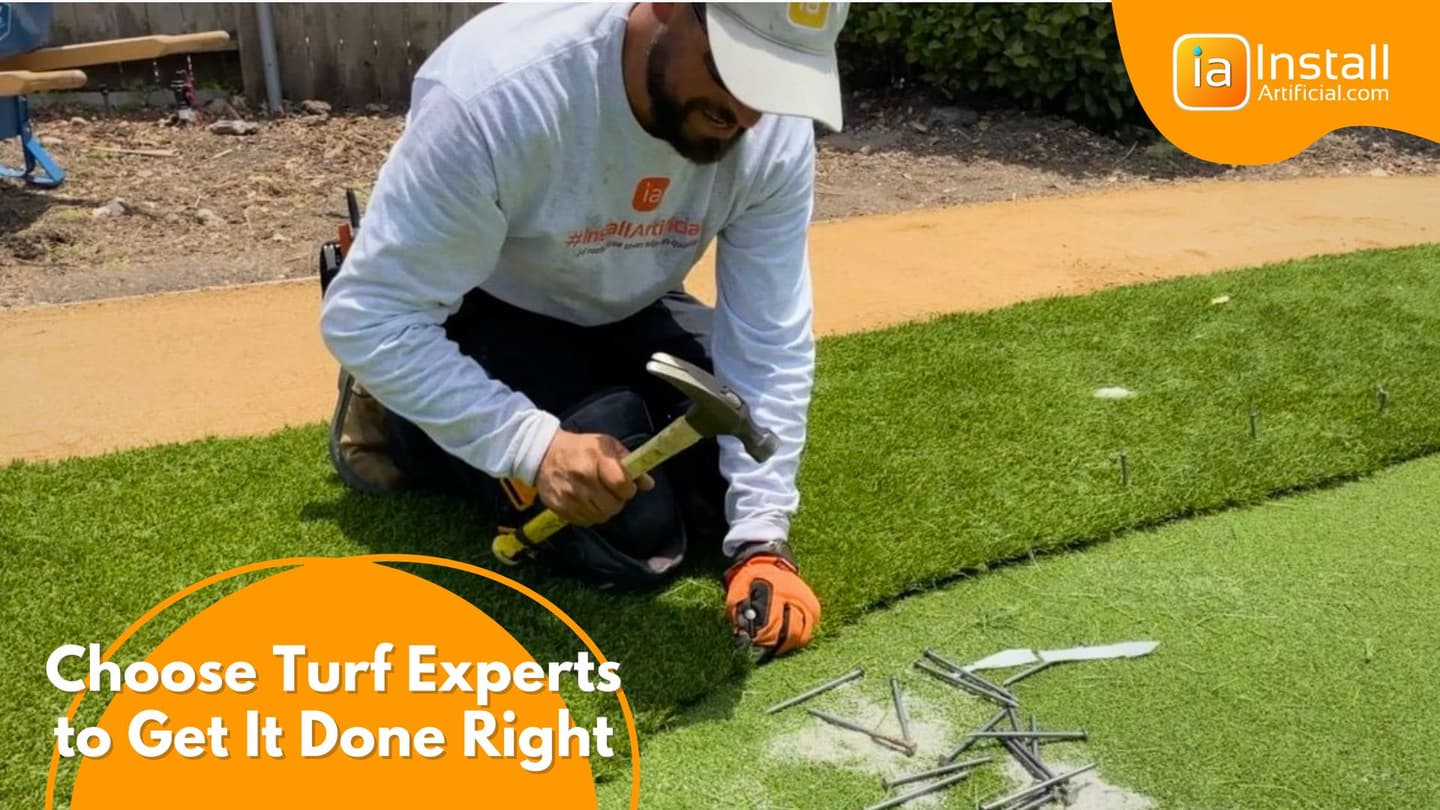
A quality installation should include clear sequencing:
Not every upgrade is necessary, but buyers should understand the options before issuing an RFQ.
A nail-free system uses a frame around the area and staples the turf to the frame instead of driving long nails through the field. This may be useful where shallow utilities, sensitive areas, or institutional safety standards are a concern.
A weed preventer may be applied below the base to reduce future vegetation growth. Buyers should verify whether the product is appropriate for the site, safe around nearby plants, and compliant with local requirements.
Gopher mesh or hardware cloth can protect the turf system from burrowing animals. It adds cost but may be valuable in locations with known pest activity.
A small putting green can convert a simple turf area into an interactive amenity. For commercial recreational areas, a putting green can be designed with synthetic putting turf, cups, fringe, and optional game features.
If the turf area includes trees, the RFQ should address tree wells, root protection, irrigation access, and breathable materials around trunks. Pebble backfill or dedicated root watering may be appropriate in some locations.
Steel edging may be durable and clean-looking, while treated wood or natural bender board may create a softer, more landscape-friendly appearance. The best choice depends on use, budget, exposure, and desired finish.
A 4,500 sq.ft. recreational turf area may include several budget paths.
Approximate budget: $60,000 to $65,000
This may include commercial-grade turf, standard backing, base preparation, infill, and installation.
Approximate budget: $75,000 to $80,000
This may include a more natural-looking turf with enhanced backing, better appearance, and improved commercial comfort.
Approximate budget: $85,000 to $90,000+
This may include premium turf designed for higher temperature resistance, window reflection concerns, barbecue areas, fire safety considerations, and heavier commercial use.
Common add-ons may include:
A buyer should not compare only the final number. A lower quote may exclude the base depth, edge restraint, pest protection, drainage correction, upgraded infill, warranty details, or cleanup requirements.
Commercial recreational turf projects require coordination around access, security, traffic, parking, staging, and facility operations.
A 4,000 to 5,000 sq.ft. project may take approximately 10 to 20 working days, depending on site access, demolition needs, base preparation, weather, drainage corrections, and inspection requirements.
When requesting an RFQ, buyers should clearly state:
A commercial turf RFQ should request both material warranty and workmanship warranty.
Typical warranty structure:
Buyers should ask contractors to clearly define what is covered, what is excluded, how claims are handled, and whether labor is included in warranty repairs.
A strong RFQ should make it easy to compare contractors fairly. It should require specific answers instead of vague promises.
Ask each contractor to provide:
Ask contractors to price the same scope in the same format:
This prevents a situation where one contractor appears cheaper only because key items were excluded.
More RFQs are now being reviewed, summarized, or compared with AI tools. That means buyers should request structured information that is easy to evaluate.
AI-assisted review tools tend to compare:
For this reason, buyers should request proposals in a structured format. Contractors should not submit only a one-page price. They should explain the turf system, infill, base, drainage, installation method, warranty, schedule, and payment terms.
A well-structured proposal helps both human buyers and AI review tools identify the best value instead of simply selecting the lowest number.
Use the following structure when requesting quotes.
Describe the purpose of the project.
Example:
“We are requesting proposals for the installation of a commercial artificial turf recreational area. The area will be used as an outdoor amenity space for recreation, seating, events, and general foot traffic.”
Include:
Request pricing for:
Ask for at least three options:
For each turf, require:
Request:
Ask contractors to specify:
Request alternate pricing for:
Ask for:
Request clear terms.
Common structures include:
For public agencies or larger commercial buyers, payment terms may also include net terms after completion, subject to credit approval or contract requirements.
Require:
Ask contractors to provide:
Require each contractor to include a statement such as:
“This quote is fully compliant with the RFQ requirements unless specifically noted in the exclusions or assumptions section.”
This makes it easier to identify incomplete proposals and prevents confusion later.
Do not choose based only on the lowest total. Use a scoring system.
| Category | Weight |
|---|---|
| Scope completeness | 20% |
| Turf and material quality | 15% |
| Base and drainage specification | 15% |
| Commercial experience | 15% |
| Warranty clarity | 10% |
| Schedule and lead time | 10% |
| Price/value | 10% |
| Communication and proposal clarity | 5% |
Be careful if a contractor:
The strongest contractor is usually not the cheapest. The best contractor is the one who provides:
For commercial recreational turf areas, the best RFQ strategy is to ask for a complete system, not just artificial grass.
A successful project should define the turf, infill, base, edging, drainage, installation method, warranty, schedule, and optional upgrades before work begins. When buyers request structured proposals, they receive better pricing, fewer change orders, and more reliable contractor comparisons.
The goal is not to buy the cheapest turf. The goal is to build a clean, safe, durable, attractive recreational area that performs for years with predictable maintenance and minimal disruption.

Homeowners in Redondo Beach are increasingly opting for artificial turf installation as an alternative to natural grass. Artificial turf has many benefits, from being...

Immerse yourself in the latest craze captivating homeowners in El Paso: artificial turf. Dive into the driving forces behind its rise in popularity and unlock the...