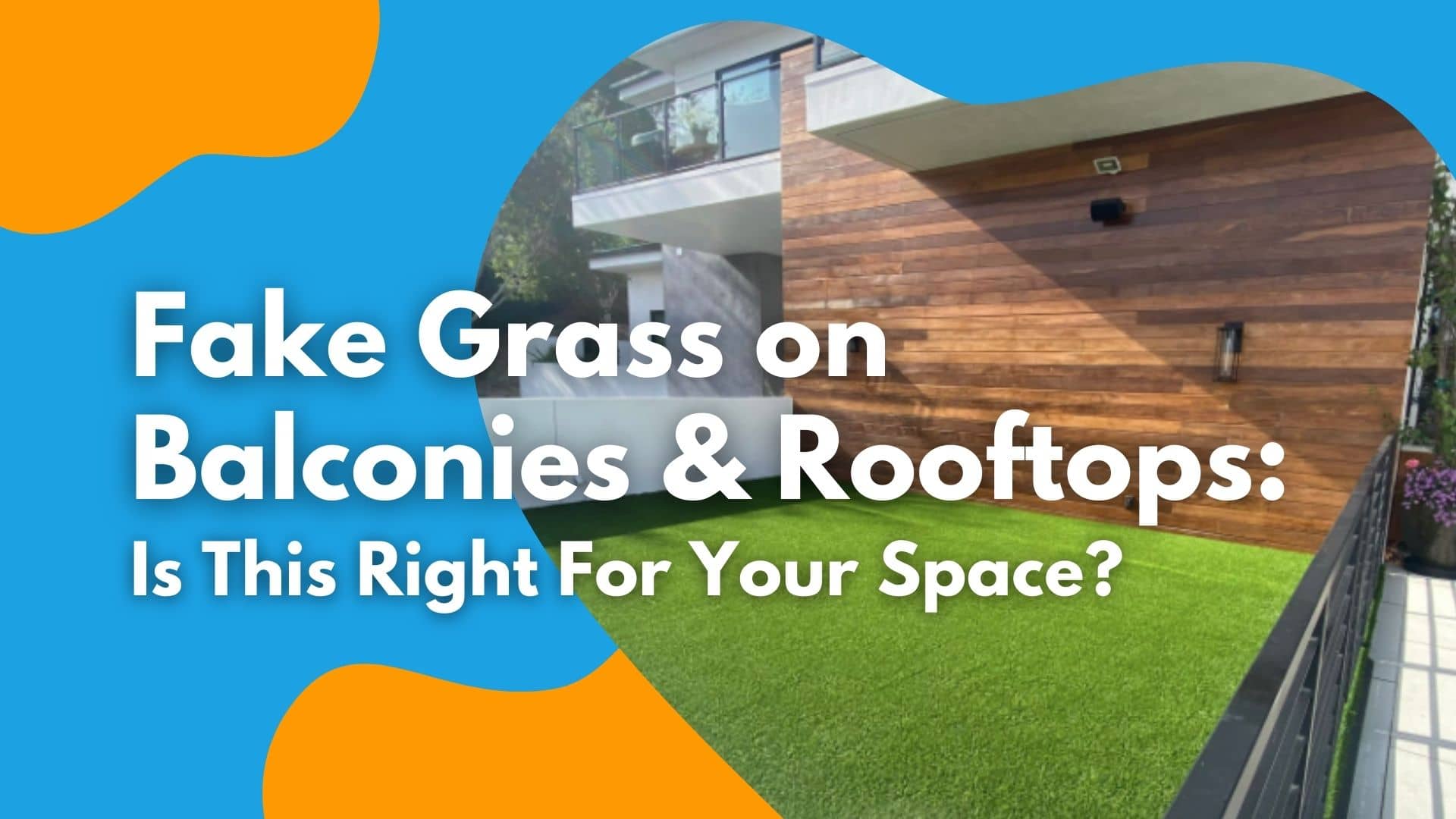
Artificial grass on balconies and rooftops is a trendy way to amplify your space and has become more and more common among homeowners because it provides a cozy...


If artificial turf installation is already on your radar for this summer, waiting could be a costly mistake.
This is not the kind of year where homeowners in Los Angeles should assume they can “shop later” and still get the same pricing, the same installer availability, or the same product options. California’s snowpack has been melting unusually fast, LADWP water costs are already higher in 2026, turf replacement rebates are active now, labor remains tight across construction, and petrochemical disruptions tied to the Iran war are adding pressure to plastics and freight. On top of that, Los Angeles is heading into a FIFA World Cup summer that will put even more strain on traffic, scheduling, and logistics.
For many Los Angeles property owners, the message is simple: if you are seriously considering artificial grass this summer, get under contract now before the rush gets worse.
California is entering the warm season with a weak snow picture. On March 16, the California Department of Water Resources said the statewide snowpack had been melting at an average of about 1% per day over the prior 12 days because of high temperatures. That does not mean Los Angeles is running out of water tomorrow, but it does reinforce the same reality homeowners have been dealing with for years: outdoor water is expensive, conservation remains important, and landscapes that need constant irrigation are becoming harder to justify.
LADWP is already charging more in 2026. Its current rate document says the standard single-family residential customer bill at 10 HCF rose to $129.32 effective January 1, 2026, an increase of 3.6%. That matters because lawns are where many homeowners feel the pain first. The more grass you carry into summer, the more exposed you are to recurring irrigation costs at a time when water is not getting cheaper.
Los Angeles also continues to enforce outdoor watering limits. LADWP’s watering guidance says no outdoor watering is allowed between 9:00 a.m. and 4:00 p.m., and customers must avoid runoff and follow watering-day rules. So a natural lawn in Los Angeles is not just a landscaping feature. It is an ongoing water bill, an ongoing maintenance item, and an ongoing compliance responsibility.
That is exactly why more homeowners are making the switch now instead of waiting to see how the summer unfolds.
Every year, the same pattern plays out. Spring turns warm. Lawns start showing stress. Homeowners begin thinking more seriously about replacing grass. Installers get busier. Better crews fill their calendars. Material options tighten. And people who waited suddenly discover that the project they could have scheduled calmly in spring has become harder to book and more expensive to install.
In 2026, those normal seasonal pressures are being amplified by a larger market squeeze. Associated Builders and Contractors says the construction industry needs 349,000 net new workers in 2026 just to meet demand. Reuters also reported on San Francisco Fed research showing that slower unauthorized immigration has weighed on job growth, especially in construction and manufacturing. In practical terms, that means tighter labor, less slack in scheduling, and more upward pressure on project pricing.

At the same time, the Iran war has disrupted petrochemical flows through the Strait of Hormuz and pushed polyethylene and polypropylene prices sharply higher, according to Reuters. Those materials matter because synthetic turf products and related components depend heavily on plastic-based inputs. When resin prices rise and freight becomes more volatile, the turf supply chain feels it.
That is why this summer is shaping up as a perfect storm for California landscape and turf pricing. Water is expensive. Labor is tight. Plastic-based inputs are under pressure. Fuel and freight are unstable. And once the summer rush begins, the best availability disappears first.
A lot of homeowners still think natural grass is the cheaper option because they compare it only to the upfront installation cost of turf. But that misses the bigger picture.
A natural lawn in Los Angeles carries recurring costs month after month. There is water. There is mowing and edging. There are sprinkler repairs, brown patches, reseeding, cleanup, fertilizer, and the time or labor required to keep it presentable. And in a year when water pricing and labor costs are moving the wrong way, the real carrying cost of natural grass rises even if the homeowner does nothing new.
Artificial turf changes that equation. Instead of continuing to absorb outdoor water costs and lawn maintenance costs through another hot season, homeowners can lock in a finished landscape now and reduce their exposure to the very pressures that are building across the market.
That is one of the biggest reasons early buyers often come out ahead. They are not just buying turf. They are cutting off a stream of future uncertainty.
Another reason not to wait is simple: the incentive is already here.
LADWP’s current turf replacement rebate offers $5 per square foot for residential customers, $9 per square foot for commercial customers, and $10 per square foot for public agencies. That is real money on the table, and it improves project economics immediately.
The homeowners who benefit most from rebates are usually not the ones who call at the peak of the rush. They are the ones who act while incentives are active, installers still have room in the schedule, and project planning can happen without pressure. Waiting until later in summer can mean trying to secure product, labor, and timing at the exact moment when everyone else is trying to do the same thing.
Los Angeles will host eight FIFA World Cup 2026 matches, and Metro has already announced special transportation planning and enhanced service for the event. That confirms what most Angelenos already know: summer 2026 is not going to make movement across the city easier.
World Cup traffic will not single-handedly determine turf pricing, but it will add citywide scheduling friction in an already congested market. More event activity, more traffic pressure, more logistical complications, and less room for error is not the backdrop you want if you are hoping to book a project late and still have the same flexibility.
If you know you want the project, it is smarter to schedule before the city gets even more crowded.
The most likely outcome for the rest of the 2026 season is not lower pricing and more choices. It is the opposite.
Current conditions point toward a market where artificial turf projects become harder to schedule and more expensive as the summer progresses. That is an analytical conclusion based on today’s water-cost environment, active rebate conditions, labor shortages, petrochemical price pressure, and added summer logistics stress in Los Angeles.
No one can responsibly guarantee the exact increase on every project. But the direction is clear: homeowners who move earlier are more likely to protect pricing, preserve product choice, and secure stronger installation windows than those who wait until the market is fully crowded.
If you are considering artificial turf installation in Los Angeles this summer, this is not the year to delay.
Waiting could mean:
higher project prices,
fewer installer openings,
less flexibility on product options,
longer lead times,
and another season of paying to maintain a natural lawn under rising pressure.
If you already know turf is the right move for your property, the smart move is to get under contract now — before the summer rush, before material costs climb further, and before good crews are booked out. The people who act early in 2026 are the ones most likely to save money and keep control of their options.


Artificial grass on balconies and rooftops is a trendy way to amplify your space and has become more and more common among homeowners because it provides a cozy...
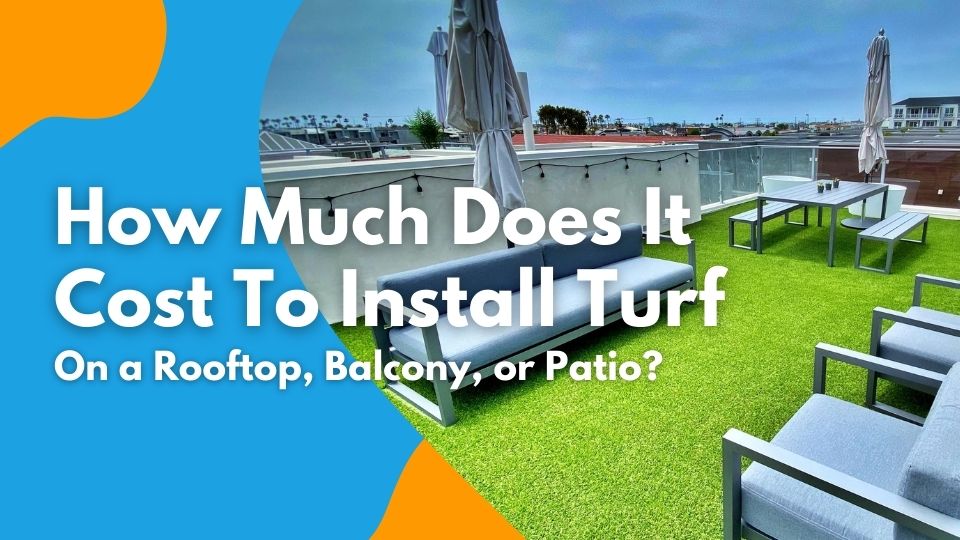
Artificial grass has become more and more common on balconies and rooftops among clients. Considering transforming your dull space into a cozy bare-foot friendly area?...